Friends of Parkwood Springs
  • Home
  • Friends Group
  • What’s On
  • News
  • Resources
  • History
  • Wildlife
    • Bird Species
    • Invertebrates
    • Tree of the Month
    • Tree Trail
  • Forest Garden
  • Getting Active
    • Walking Routes
    • Cycling
  • Food and Drink
  • Lantern Procession
  • Contact us
  • Events
  • Home
  • Friends Group
  • What’s On
  • News
  • Resources
  • History
  • Wildlife
    • Bird Species
    • Invertebrates
    • Tree of the Month
    • Tree Trail
  • Forest Garden
  • Getting Active
    • Walking Routes
    • Cycling
  • Food and Drink
  • Lantern Procession
  • Contact us
  • Events
Search by typing & pressing enter

YOUR CART

2/2/2023 0 Comments

Tree of the month: February 2023 - Hazel


Picture
Each month we will be featuring a species of tree found on Parkwood Springs. Visit our tree of the month page for further details here. This month we will be highlighting Hazel.

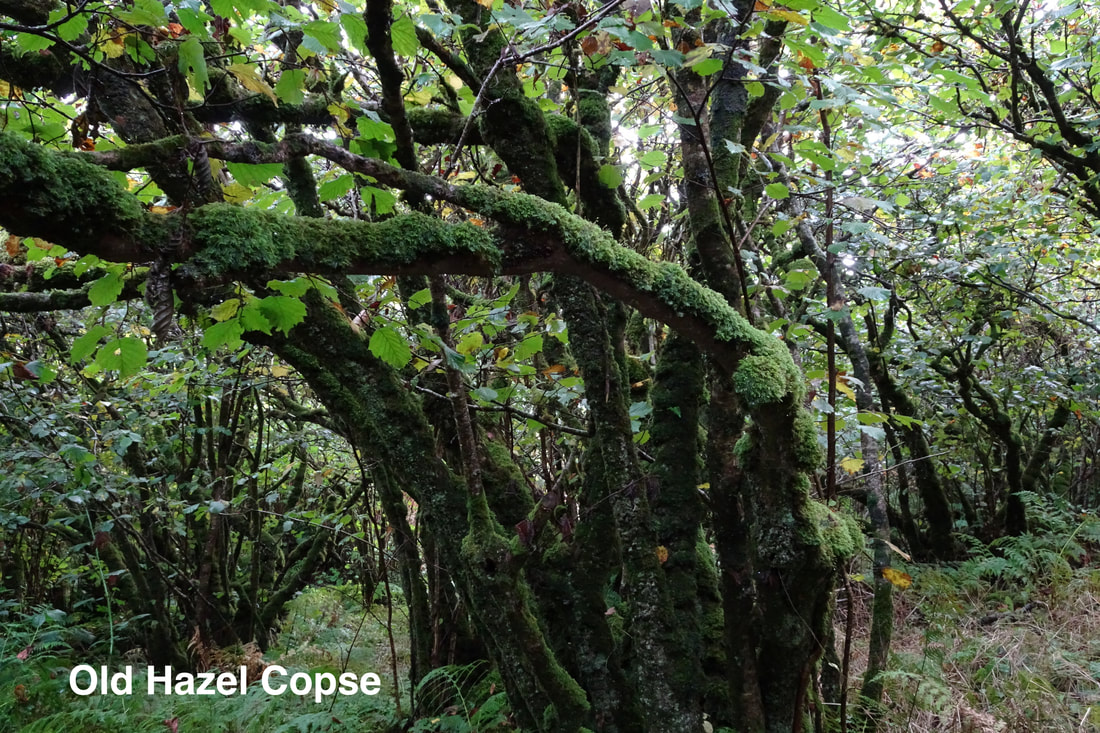
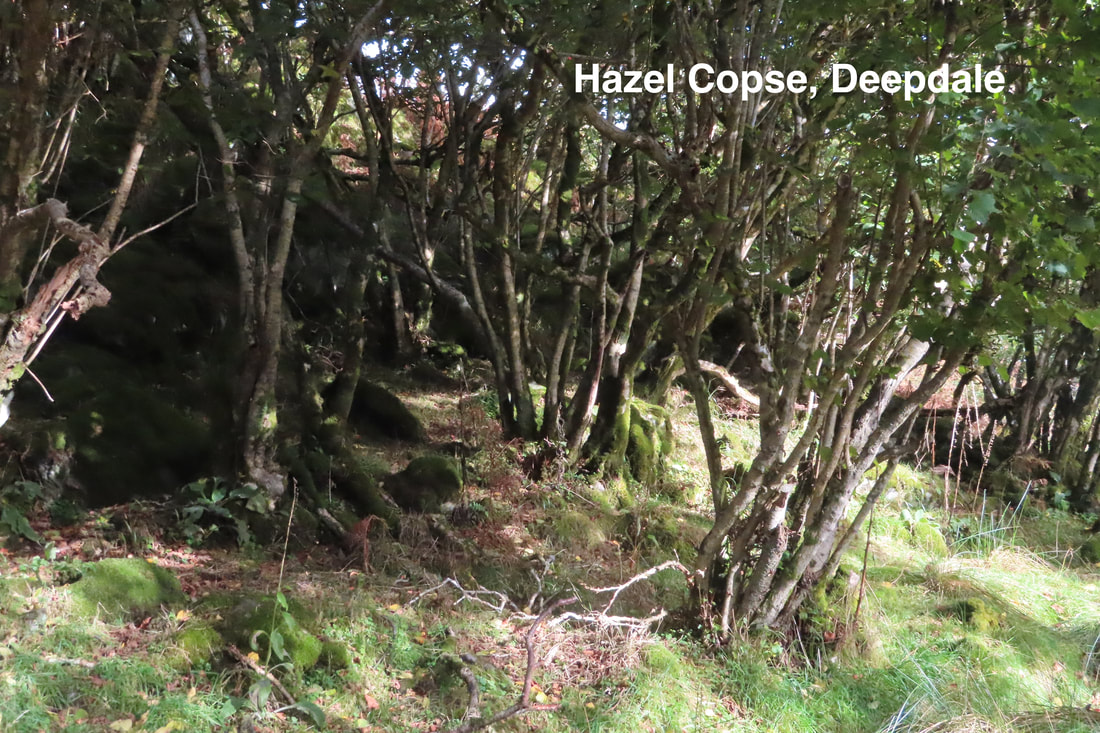
Pollen sampling has shown that Hazel was one of the first colonisers after the Ice Age. The wood, used since prehistoric times, is smooth greybrown, with yellow pores. Hazel can grow up to 12 metres and live for 80 years but when coppiced, this can extend to hundreds of years.
Picture
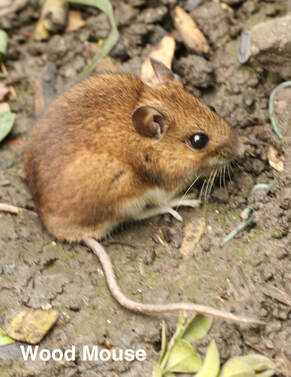
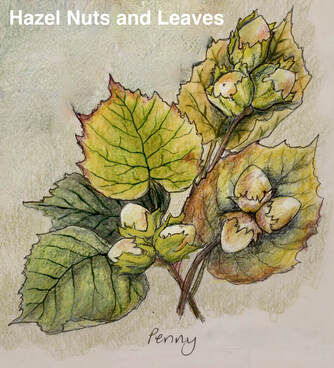
Hazel Nuts were a vital part of iron-age diets but are also valuable for much wild-life including Squirrels, Dormice, small mammals, Jays and Woodpeckers, sometimes cached for winter months.

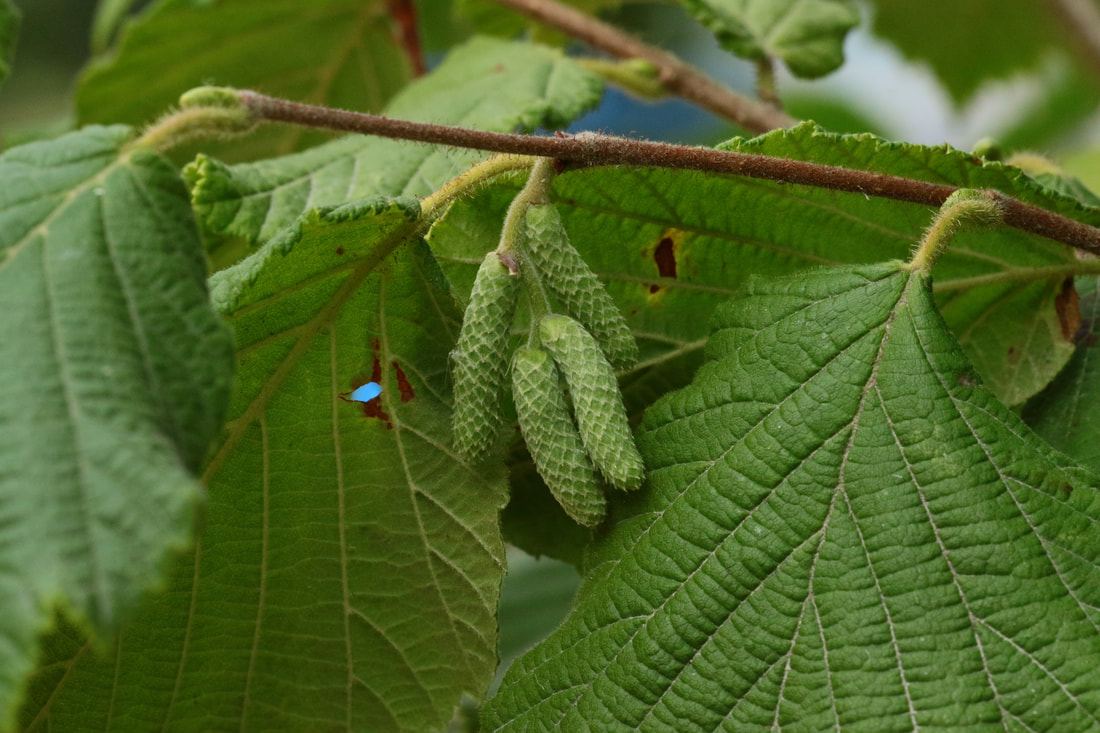
Hazel leaves are serrated with a pointed tip, and downy underside. They are valuable food for many moth caterpillars and, along with the young shoots, were used in the past as animal fodder.
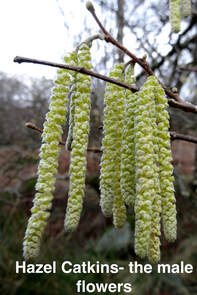
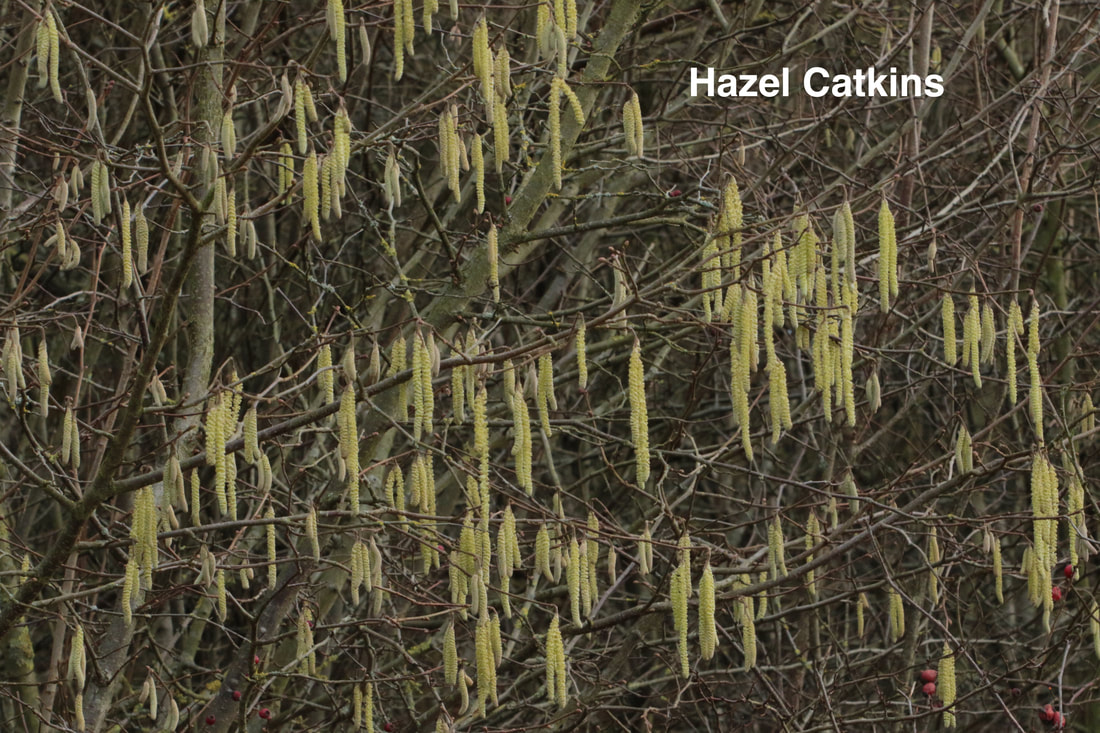
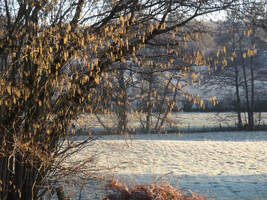
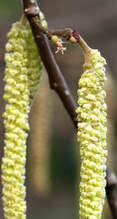
In January and February the Hazel Catkins are easy to spot. ‘Catkin’ comes from the Dutch for kitten -‘Kattekin- and our common name for them is ‘Lamb’s Tails- both names referring to Catkins’ resemblance to fluffy tails. A Catkin is made up of 240 small, male flowers which become heavily laden with pollen. The flowers don’t need to be showy or scented as the Hazel is wind-pollinated. The minute grains are blown over long distances. Produced in huge numbers they can only pollinate female flowers from a different Hazel tree, and thousands are ‘wasted’, though the pollen is a valuable food for early insects
Picture
Picture
Picture
Other Uses of Hazel Wood
Since pre-historic times Hazel has had many uses, including:
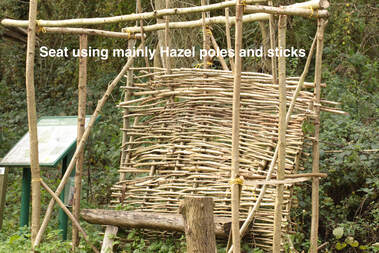
- the frames of buildings, coracles etc. It is the ‘wattle in the wattle and daub of medieval houses.
- being flexible, the split poles and sticks have long been woven into hurdles, to keep stock in, and are still used as screens beside busy roads.
- for hedging, including layered hedges, where hazel rods are also woven together for the hedge-top.
- easy to shape, they are made into hoops for securing thatch, curved for the handle of walking sticks, shepherd’s crooks, thumbsticks etc
- woven into baskets
- as staffs for combat
- for divining rods
- for beanpoles, plant supports

Food and health: Hazel Oil, like the nuts it comes from, is rich in vitamins and ‘good’ fats and is used in cosmetics and cooking. The nuts were ground into nutritious flour for bread. The nuts are still made into ‘nut butter’. Herbally, the catkins have been made into a tea to treat colds and all parts of hazel used to heal wounds. You may want to look up Benjamin Ebuehi’s recipe for Vegan Hazelnut Cake.
Picture
Picture
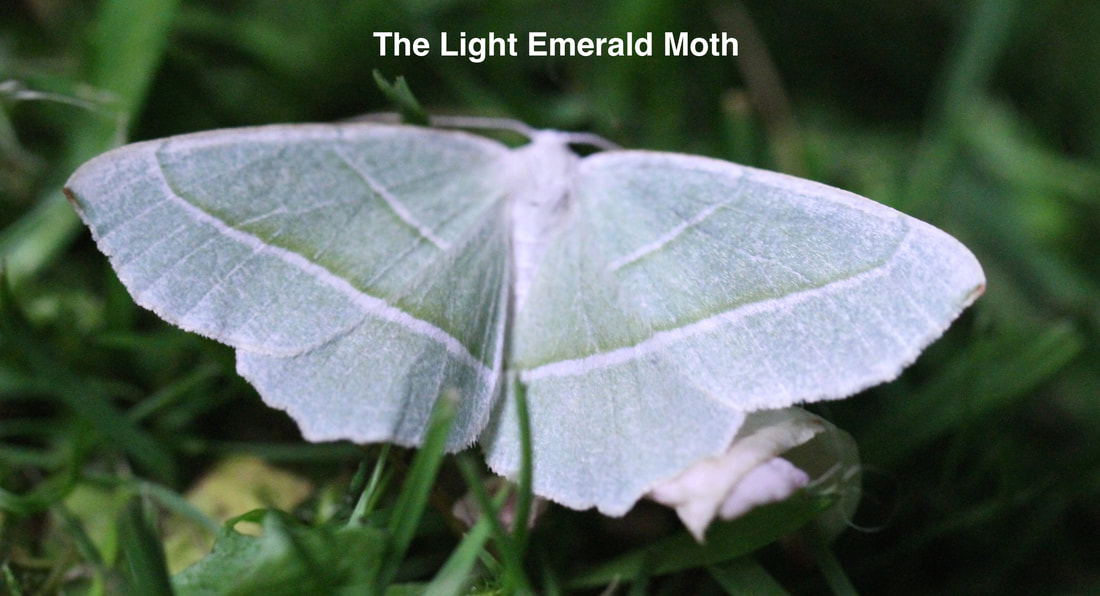
Wildlife value: The nuts are eaten by Woodpeckers, Pheasants, Pigeons, Nuthatches and Jays, as well as by Mice, Dormice, Rats and humans. The pollen is a useful early source of food for our bees. The leaves are food for a number of Moth caterpillars, including Tussock, Buff Arches, Buff-Tip and Light Emerald Moth, and for the Hazel Sawfly. Many small birds also roost or build their nests in Hazel Trees. The trunks of established Hazel are home to a range of Mosses, Liverworts and Lichen and the Fiery Milkcap mycorrhizal Fungus grows particularly under Hazel.

Picture
More Hazel History: Hazel has long been a vital part of human life. Evidence in Scotland shows Hazel Nuts were being processed for food at least 9,000 years ago, as well as the wood being used for shelter, boats etc. The Gaelic word for Hazel- ‘Coll’- appears in several placenames in Scotland and the emblem of the Clan Colquhouns includes Hazel. The English name derives from the Anglo-Saxon ‘Haesel Knut’, where Haesel meant cap, referencing the ‘involucre’ or green ‘envelope’ that surrounds young hazel nuts as they develop.

Nutteries
The Hazel and cultivated forms like Filberts and Cobnuts have long been grown in ‘Nutteries’, orchards dedicated to these highly nutritious nuts. In the UK they were grown on a large scale until the early 1900’s. Filberts get their name from St Philbert’s day, 20th August, when these cultivated varieties were judged to start maturing. Holy Cross Day, 14th September, was a traditional day for nutting and until World War One was a day off school for children in England to go nutting. There’s nothing tastier than a fresh Hazel Nut and going nutting is still a lovely activity to share with children, though the Grey Squirrel now often takes a lot of the wild crop.
Picture

Picture
The Hazel in Poetry:
W.B. Yeats is one of many writers familiar with Hazel. He conjures an evocative image in his poem, ‘The Song of Wandering Aengus:
‘I went into the hazel wood,
Because a fire was in my head,
And cut and peeled a hazel wand,
And hooked a berry to a thread;
And when white moths were on the wing,
And moth-like stars were flickering out,
I dropped the berry in a stream,
And caught a little silver trout…’

The Hazel in Celtic Legend: With such a long history of value to humans, it s not surprising that Hazel occurs in many legends. The Celts associated the Hazel with wisdom and poetic inspiration. One of various forms of these myths involves nine hazel trees growing around a sacred pool. As the nuts drop into the pool, Salmon come to feed on them, gaining wisdom. The number of spots on a Salmon was believed to represent their level of acquired wisdom. Another variant features Fionn Mac Cumhail. In this story, one Salmon acquired all the wisdom. A Druid Master caught the fish and ordered his pupil to cook it, without touching anything from the fish, so the Master could absorb all the wisdom himself. Whilst cooking the sacred Salmon some fat spattered onto the thumb of the pupil and he instinctively licked it off. The pupil grew up to become the wise Fionn Mac Cunhail, a heroic figure of Irish legend.
Picture
Picture

Picture
Nightingales were believed to sing to Hazel to aid its growth. Druids used Hazel staffs in their rituals and they were frequently carried by pilgrims. They were thought to be the best wood for magic wands and for divining or dowsing for water. Until the 16th Century in parts of Ireland they were thought to be able to detect or ‘divine’ thieves. Hazel is associated with the goddess Brighid thought to bring ‘divine inspiration’. Hazel Nuts were worn as charms and to ward off rheumatism.

Keats: To Autumn
‘...And fill all fruit with
Ripeness to the core
To swell the gourd
And plump the Hazel shells
With a sweet kernel…’
Picture

Archives

January 2023
December 2022
November 2022
May 2022
July 2021
June 2021
May 2021
April 2021
February 2021

0 Comments


Leave a Reply.

About us

Friends Group
History
News
Events
Lantern Procession

Resources

Forest Garden
Getting Active
Wildlife
Tree of the Month

Join us

Contact
​
Donate
© COPYRIGHT 2025. ALL RIGHTS RESERVED.